

Do you wish your teeth were less yellow and had fewer stains? You’re not alone — teeth whitening is a common topic patients ask dentists about, says Dr. Samantha Rawdin, DMD, a prosthodontist at Gallery 57 Dental in New York City. Out of the numerous at-home teeth whitening products you can choose from, whitening toothpaste is one of the easiest options to incorporate into your daily oral hygiene routine. It cleans teeth and helps prevent cavities just like standard toothpaste, plus it has additional ingredients that can help remove surface stains. But how well does it work?
“You’re not going to notice anything dramatic,” says Dr. Amr Moursi, DDS, a professor at New York University’s College of Dentistry. Whitening toothpaste’s efficacy pales in comparison to a professional whitening treatment, so it’s no guarantee of a sparkling smile. That said, it works well for maintenance after a more potent treatment, so it’s worth a try if you’re curious.
I spoke to dentists about how to shop for whitening toothpaste and what results to expect. I also rounded up whitening toothpastes with the American Dental Association’s (ADA) Seal of Acceptance and options the NBC Select staff tested.
 Best hydrogen peroxide formula$undefined$19.99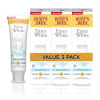


Related

Want more from NBC Select? Sign up for our newsletter, The Selection, and shop smarter.
Is whitening toothpaste effective?
Before you start using whitening toothpaste, it’s important to understand its limitations so you can manage your expectations when it comes to results. Overall, whitening toothpaste is somewhat effective. The abrasives it’s made with can successfully buff surface stains off your teeth over time, but as far as dramatically changing the color of your teeth, “that’s not going to happen,” says Dr. Edmond Hewlett, DDS, a professor at the UCLA School of Dentistry. If you’re interested in bleaching your teeth to make them appear whiter, visiting your dentist for a professional-grade, in-office treatment is your best bet.
As far as whitening toothpaste made with hydrogen peroxide goes, its effectiveness is determined by contact time, says Rawdin. The longer the ingredient sits on your teeth, the more it can penetrate tooth enamel and bleach dentin. But since you only brush your teeth for two minutes twice a day (as recommended by the ADA), there’s not enough time for the hydrogen peroxide to really work, says Rawdin. Additionally, whitening toothpaste is made with a very low concentration of hydrogen peroxide, further limiting effectiveness.
How I picked the best whitening toothpastes
While shopping for a whitening toothpaste, the experts I talked to recommended thinking about the following factors, all of which I took into consideration while curating my list.
- Whitening agent: Whitening toothpaste mainly relies on mild abrasives like silica and sodium bicarbonate (baking soda) to scrub surface stains off teeth, says Hewlett. Some whitening toothpastes use bleaching ingredients like hydrogen peroxide in their formulas, but mild abrasives are more common. All the whitening toothpastes I recommend below rely on mild abrasives, and one is made with peroxide. Learn more about how whitening agents work below.
- ADA Seal of Acceptance: The ADA Seal of Acceptance is considered the gold standard when it comes to dental care products, says Moursi. It means a brand submitted scientific evidence to the ADA showing that their products meet specific safety and efficacy requirements, which the agency validated. This doesn’t mean products without the ADA’s Seal of Acceptance are ineffective — it just means brands have not voluntarily submitted their products for the ADA to review. I prioritized recommending ADA-accepted whitening toothpastes, but some do not have the seal.
- Fluoride: All the dentists I spoke to recommend buying toothpaste made with fluoride, a cavity-fighting ingredient. All ADA-approved toothpastes are made with fluoride, so if you’re considering a toothpaste that’s not ADA-approved, read its ingredient label to make sure at least one of the following types of fluoride are included, all of which dentists say are equally effective: sodium fluoride, stannous fluoride and sodium monofluorophosphate. All the whitening toothpastes I recommend below have fluoride.
- Sodium lauryl sulfate: SLS acts as a detergent for teeth, making some toothpastes foamy. People can be sensitive to SLS — if you are, look for a SLS-free option. I labeled the SLS-free options I recommend below.
- Flavor and texture: Toothpaste comes in various flavors, like mint and peppermint, and textures, like pastes and gels. Flavor and texture is a personal preference, so it may take some trial-and-error to figure out what you like best. My list below includes an assortment of options.
The best whitening toothpaste to shop
Best overall

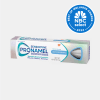
Sensodyne’s NBC Select Wellness Award-winning whitening toothpaste is one of the most frequently re-purchased varieties among our staff. It’s formulated for sensitive teeth and made with potassium nitrate, an ingredient that helps soothe and relieve tooth pain, says Rawdin. But anyone can use it, making it a great all-around option. Sensodyne’s whitening toothpaste removes surface stains, protects against acid erosion and remineralizes teeth to strengthen enamel, according to the brand.
Best gel

Colgate’s toothpaste has a smooth texture and offers ten benefits, including surface stain removal, sensitivity relief, enamel strengthening, tartar control and plaque and gingivitis prevention. It also provides whole-mouth antibacterial protection for up to 24 hours after use, according to the brand, because it’s made with stannous fluoride.
Best deep clean feeling

After using this toothpaste, NBC Select editorial projects manager Rebecca Rodriguez feels like she just left the dentist. “It makes my breath feel fresh and gives my mouth a deep clean feeling,” she says. “It has a stronger fluoride taste compared to most other toothpastes I’ve tried, which threw me off at first. But it’s grown on me, especially because I feel like I got a professional cleaning every time I brush.” The toothpaste is made with gentle abrasives to remove surface stains and hydrogen peroxide to brighten teeth.
Best baking soda formula

Arm & Hammer’s whitening toothpaste is made with the brand’s dental-grade baking soda, which helps buff surface stains off teeth. The formula also contains peroxide, which can lighten tooth color over time. According to the brand, the toothpaste strengthens enamel to prevent new stains from setting in, removes plaque and controls tartar.
Best for gum health

While gentle abrasives remove surface stains from teeth, the stannous fluoride in this toothpaste fights cavities as well as removes plaque to help prevent bleeding gums, according to the brand. It also aids in maintaining the seal between the gums and teeth.
Best hydrogen peroxide formula

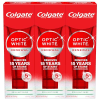
Colgate Optic White’s toothpaste is made with 5% hydrogen peroxide, which penetrates enamel to lighten tooth color and remove stains, especially those from pigmented food and beverages like coffee, tea and wine. It’s safe to use daily and won’t damage enamel, according to the brand.
Best peppermint flavor

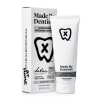
Beyond removing surface stains via gentle abrasives, Hello’s toothpaste has tea tree oil to freshen breath. The formula is also made with coconut oil, an ingredient that helps reduce bacteria in the mouth, according to the brand.
Best natural option

In addition to being SLS-free, Burt’s Bee’s toothpaste isn’t made with preservatives or artificial flavors and sweeteners. It removes stains with gentle abrasives and protects tooth enamel, according to the brand.
Best for bad breath

Related

How does whitening toothpaste work?
There are two types of tooth stains, says Rawdin: intrinsic stains, which are built into the internal structure of the teeth, and extrinsic stains, which sit on the surface of the teeth. Whitening toothpastes mainly attack extrinsic stains through abrasive ingredients like silica and sodium bicarbonate, which have a grainy, sandy texture. But all toothpastes are mildly abrasive to scrub teeth clean of plaque and grime, says Hewlett. Whitening toothpaste, however, is slightly more abrasive compared to standard toothpaste — it tends to have higher concentrations of the aforementioned ingredients in its formula to remove surface stains from teeth, says Rawdin.
The level and type of abrasives in all ADA-accepted toothpastes are safe and gentle — the agency ensures so when it’s evaluating products, says Hewlett. But if you’re using a whitening toothpaste that’s not ADA-accepted, you don’t know how abrasive it is, so proceed with caution. It’s also important to immediately stop using any dental care product that causes pain or irritation, and consult your dentist.
Some whitening toothpastes also have low concentrations of peroxides like hydrogen peroxide, an active ingredient that bleaches teeth to target intrinsic stains, says Rawdin. Many other at-home whitening products also have low concentrations of hydrogen peroxide, like whitening strips and mouthwashes, and the ingredient is used in high concentrations during in-office bleaching treatments. Hydrogen peroxide penetrates tooth enamel to reach the dentin, bleaching it so it becomes whiter, says Rawdin.

Meet our experts
At NBC Select, we work with experts who have specialized knowledge and authority based on relevant training and experience. We also ensure that all expert advice and recommendations are made independently and without undisclosed financial conflicts of interest.
- Dr. Samantha Rawdin, DMD, is a prosthodontist at Gallery 57 Dental in New York City.
- Dr. Amr Moursi, DDS, is a professor at the NYU College of Dentistry and on the medical staff at the NYU Langone Medical Center, as well as the Bellevue Hospital Center in New York.
Why trust NBC Select?
I’m a reporter at NBC Select who has been covering dental care and oral health for over five years. I’ve written articles about numerous types of toothpaste, teeth whitening treatments, whitening strips, mouthwash, floss, water flossers and more. I’ve interviewed dozens of dentists throughout my career, and constantly test dental care products to learn what’s new on the market. To write this article, I talked to three experts about the benefits and limitations of whitening toothpastes, and rounded up a handful of products that align with their guidance.
Catch up on NBC Select’s in-depth coverage of tech and tools, wellness and more, and follow us on Facebook, Instagram, Twitter and TikTok to stay up to date.


