
If you’re struggling with rough and bumpy skin from keratosis pilaris, you’re not alone: The skin condition affects about 50% to 80% of teenagers and 40% of adults at some point in their lives, according to the Cleveland Clinic. It’s so common, in fact, that most dermatologists don’t consider keratosis pilaris — often referred to simply as “KP” — a condition or disease at all.
“I personally like to think of it as more of a skin variant,” says Dr. Michael Cameron, a board-certified dermatologist and founder of Cameron Dermatology in New York City.
Although keratosis pilaris is a chronic condition with no known cure, experts recommend using over-the-counter treatments to help in treating roughness, dryness and bumps. I spoke to dermatologists about what causes keratosis pilaris and what ingredients to look for when treating symptoms. I also rounded up some of our experts’ favorite products to keep KP under control.
Selected.
What is keratosis pilaris and what causes it?
Keratosis pilaris causes bumps on the skin that are commonly described as goosebumps, “strawberry skin” or “chicken skin” due to their small, rough and scaly appearance, according to experts. These bumps come from dead skin cells building up and clogging hair follicles, which creates a roughness on the surface of the skin. They can appear as red, white or skin-colored bumps, and they’re typically found on the upper arms, thighs and buttocks of both adults and children (often worsening around puberty), dermatologists told us.
KP occurs when “there’s an abnormal, higher production of keratin within the hair follicle — it accumulates and forms those bumps,” says Dr. Naveed Sami, a board-certified dermatologist and professor of medicine at the UCF College of Medicine. KP bumps aren’t usually painful or itchy, and concerns surrounding keratosis pilaris are usually aesthetic, he says.
There isn’t necessarily a cause of keratosis pilaris. Instead, it’s mostly hereditary and more likely to occur among people who are prone to eczema, dermatologists say. “It’s usually present when people are younger, and sometimes it naturally goes away,” says Dr. Michele Farber, a board-certified dermatologist at Schweiger Dermatology Group.
For many people, keratosis pilaris can flare up with hormonal fluctuations, like around the menstrual cycle, during pregnancy or puberty, says Dr. Lindsey Bordone, a board-certified dermatologist and assistant professor of dermatology at Columbia University Medical Center. Symptoms also typically flare up during the wintertime when the humidity is low and the skin is the driest, says Sami.
How I picked the best treatments for keratosis pilaris
If you struggle with keratosis pilaris, maintaining a well-balanced skin care routine using products with exfoliating ingredients and moisturizing regularly can help, according to dermatologists. You should also keep the following factors in mind when picking moisturizing creams, lotions and body washes to tame your bumpy skin:
- Product type: The best way to manage your keratosis pilaris symptoms is to combine exfoliating and moisturizing products. Consider moisturizing creams, lotions and body washes that prevent the skin from drying out or getting irritated, especially when you’re exfoliating regularly.
- Exfoliants: Chemical exfoliants like lactic acid, salicylic acid and urea can help remove excess dead skin cells, according to our experts.
- Hydrating ingredients: Consider ingredients like glycerin, hyaluronic acid and ceramides to hydrate the skin, manage KP symptoms and prevent bumps from getting irritated over time, especially with consistent exfoliation. Anti-inflammatory ingredients like niacinamide can also help reduce the appearance of bumps.
Want more from NBC Select? Sign up for our newsletter, The Selection, and shop smarter.
Best keratosis pilaris treatments
Listed below are products recommended by dermatologists to treat KP symptoms. NBC Select editors have also tried many of the below treatments for KP bumps and dry, itchy skin.
Best overall
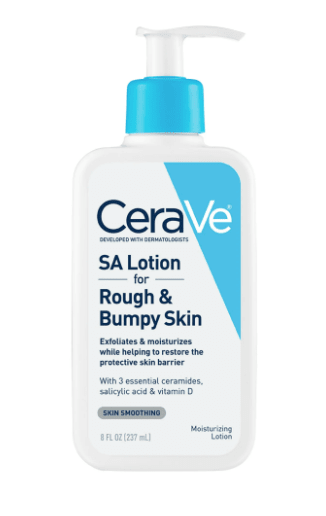
Our experts collectively recommend Cerave's SA Lotion as solid pick for helping to reduce keratosis pilaris symptoms. Cameron often recommends this cream to his patients because of its exfoliating and moisturizing benefits. It’s also a great over-the-counter salicylic acid and lactic acid treatment that’s readily available, according to Sami.
“I like this product because it has lactic acid and salicylic acid to smooth; niacinamide to decrease inflammation and help the skin barrier; and glycerin and ceramides to hydrate and seal in moisture,” says Dr. Robyn Gmyrek, a board-certified dermatologist at UnionDerm in New York City. The formula is noncomedogenic and can gently smooth the look and feel of the skin’s texture, according to CeraVe.
Most intensive
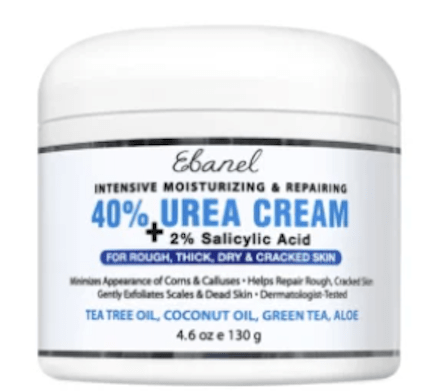
Urea cream is a great option to treat and prevent dry, rough and scaly skin, according to our experts. “If somebody wants to be a little bit more aggressive with their treatment, then they can add urea to their regimen,” says Sami. This Ebanel cream has 40% urea — the highest potency, though a lower concentration works just as well, according to Sami — and 2% salicylic acid that exfoliates while also moisturizing, softening and smoothing out the skin, according to our experts. The cream is hypoallergenic, fragrance-free and can reduce redness and inflammation with ingredients like aloe vera, coconut oil and green tea leaf extract, according to the brand.
Best exfoliating
This moisturizing lotion from AmLactin has 12% lactic acid to gently exfoliate the skin. “It has the benefit of having both an exfoliating component and serving as a daily moisturizer,” says Dr. Marisa Garshick, a board-certified dermatologist at MDCS Dermatology in New York City. It can reduce the spiky texture associated with keratosis pilaris by encouraging skin cell turnover, which replaces existing skin cells and helps keep the skin smooth, says Bordone. The lotion has a non-greasy, fragrance-free formula, and it’s suitable to use as a face moisturizer, hand lotion or body lotion, according to the brand. AmLactin recommends applying this lotion twice daily, or as directed by your dermatologist.
Best cream
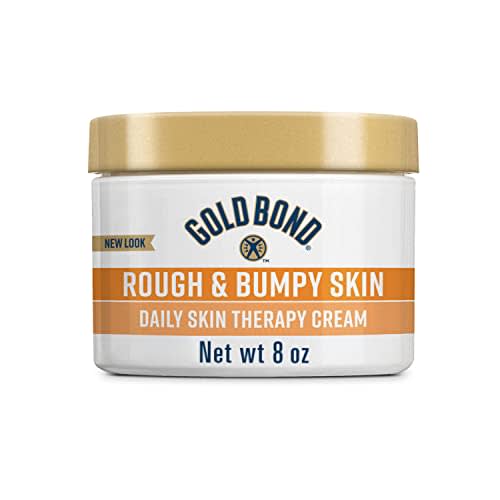
This daily cream, a recommendation from Cameron, is formulated with salicylic acid, lactic acid and gluconolactone (a type of poly hydroxy acid, a gentler category of chemical exfoliants) to gently remove dead skin cells and smooth rough skin. It has moisturizing ingredients like shea butter to keep the skin hydrated, too, according to the brand. Gold Bond recommends you use this fragrance-free, hypoallergenic cream as you need or as directed by your dermatologist.
Best for very dry skin
The Eucerin Roughness Relief Cream helps minimize the appearance of bumps and smooths out texture thanks to a combination of urea, ceramides and sunflower seed oil, according to Cameron. The fragrance-free cream is suitable for daily use on sensitive skin, and it helps lock-in moisture for up to 48 hours, according to the brand.
Best scrub
If you prefer a physical exfoliant to scrub away dead skin cells, this First Aid Beauty option has 10% alpha hydroxy acids (AHAs) like glycolic acid, which help improve the skin’s texture and smooth away bumps and roughness, says Farber. First Aid Beauty recommends gently massaging the product on wet skin and using one to two times per week, as tolerated.
Most gentle
You can moisturize your skin with a non-exfoliating cream like this CeraVe option to help reduce symptoms of dryness and itchiness in cooler climates, Sami says. This is a mild, fragrance-free moisturizer that contains ceramides to keep the skin hydrated for up to 24 hours and is suitable for all skin types, according to the brand.
Best splurge
This lotion has a blend of chemical exfoliants like AHAs, BHAs and urea, as well as soothing ingredients like niacinamide that improve symptoms of keratosis pilaris and psoriasis, according to the brand. It’s free of essential oils and fragrances, and has a 4.7-star average rating from over 200 reviews on Sephora.
How to treat keratosis pilaris
Though it may naturally go away as you get older, keratosis pilaris isn’t a curable skin condition, experts say. Still, you can reduce the appearance of bumps and smooth out the skin’s texture with the right treatments.
“We consider [keratosis pilaris] to be manageable as opposed to curable,” says Garshick. “Because some people are genetically predisposed to it, they may be more likely to always experience it at a baseline level.”
A balance of exfoliation and moisture is the best way to reduce symptoms of keratosis pilaris, according to Garshick. The most effective treatment is using keratolytics — also known as chemical exfoliators — that remove the build up of dead skin cells. There are a few main types of keratolytic agents to consider:
- Alpha hydroxy acids: The most popular AHAs to reduce keratosis pilaris symptoms include lactic acid and glycolic acid. They gently dissolve dead skin cells and lead to cell turnover, which creates smoother, more even-toned skin, according to our experts.
- Beta hydroxy acids: You’ll often come across salicylic acid in skin care products. It’s the most common BHA that, like AHAs, helps buff away dead skin cells and unclogs pores.
- Urea: This ingredient is both a humectant (which draws moisture to the skin) and an exfoliator, which means it can moisturize the skin while also reducing dead skin buildup at the same time. Urea is available in various strengths ranging from 20% and 40%, though you don’t really need that high of a strength to reduce KP symptoms, according to Sami.
These ingredients are usually found in cleansers, body washes and daily moisturizers, says Garshick. Since most of these exfoliants also include hydrating ingredients, they're also easier to use in your daily routine. “When you’re using other ingredients that moisturize and hydrate [the skin], you’re protecting it from becoming damaged or irritated,” says Garshick.
To keep symptoms at bay, consistency is key: You can apply exfoliating keratosis pilaris treatments once or twice per day, as long as your skin tolerates, and pair it with a gentle moisturizer, according to our experts. If you have very sensitive skin, you can limit your exfoliation to one or two times per week. But once you step out of that routine, keratosis pilaris symptoms usually come back, says Bordone.
Gentle physical exfoliants can also be helpful in removing dead skin, but make sure to not overdo it: You should limit your physical exfoliation to once or twice per week, says Garshick. Also, avoid using harsh scrubs with beads, which can actually exacerbate the issue, according to our experts.
Meet our experts
At NBC Select, we work with experts who have specialized knowledge and authority based on relevant training and/or experience. We also take steps to ensure that all expert advice and recommendations are made independently and with no undisclosed financial conflicts of interest.
- Dr. Michael Cameron is a board-certified dermatologist, founder of Cameron Dermatology and assistant professor at Mount Sinai in New York City.
- Dr. Naveed Sami is a board-certified dermatologist and professor of medicine at the UCF College of Medicine.
- Dr. Lindsey Bordone is a board-certified dermatologist and assistant professor of dermatology at Columbia University Medical Center.
- Dr. Michele Farber is a board-certified dermatologist at Schweiger Dermatology Group in Philadelphia. Dr. Farber specializes in skin cancer treatments, as well as general, cosmetic and procedural dermatology.
- Dr. Marisa Garshick is a board-certified dermatologist at MDCS Dermatology in New York City and an assistant clinical professor of dermatology at NewYork-Presbyterian/Weill Cornell Medical Center.
- Dr. Robyn Gmyrek is a board-certified dermatologist at UnionDerm in New York City.
Why trust NBC Select?
I'm an updates editor at NBC Select who has written several skin care stories, including treatments for cystic acne, rosacea and dark under-eye circles. For this article, I spoke to six dermatologists about how to treat keratosis pilaris and highlighted their recommendations for the best products to consider.
More dry skin essentials
Catch up on NBC Select’s in-depth coverage of tech and tools, wellness and more, and follow us on Facebook, Instagram, Twitter and TikTok to stay up to date.
