

Millions of people deal with acne, but those who suffer from cystic acne know how difficult it is to treat compared to ordinary pimples. Cystic acne is a severe form of acne that results in large, pus-filled cysts underneath the skin’s surface, which usually makes them more painful than normal bumps and, depending on the severity, can cause scarring, says Dr. Emma Weiss, a board-certified dermatologist and assistant professor of dermatology at the University of Colorado, Anschutz Medical Campus. Treating cystic acne is not impossible, however, and experts recommend starting treatment immediately to avoid permanent scarring.
I spoke with board-certified dermatologists about the best over-the-counter and prescription treatments to seek out. Their recommendations for the best products to use in conjunction with more intensive treatments are also listed below.
 Best moisturizer$undefined$24.99


Related

Want more from NBC Select? Sign up for our newsletter, The Selection, and shop smarter.
Best cystic acne treatments
Listed below are a few expert-recommended OTC products that can help treat cystic acne when used with oral medications and in-office treatments.
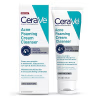
Best face wash

This foaming cleanser with 4% benzoyl peroxide is a great option if you have cystic acne on your face and around the body, says Weiss. It has added ingredients like hyaluronic acid and niacinamide that can be good for those dealing with acne due to their moisturizing and anti-inflammatory effects, she says. This wash gently removes dirt, excess oil and makeup, and it helps prevent new acne from forming, according to CeraVe. The noncomedogenic wash is also fragrance-free for those with sensitive skin.
Best with salicylic acid

This foaming cleanser comes recommended by Dr. Eileen Deignan, a board-certified dermatologist and chief of dermatology at Emerson Hospital, because it helps unclog pores and calm irritation from acne. The face wash has 2% salicylic acid, which helps remove dead skin cells and unclog pores, says Weiss. It’s suitable for most skin types because it’s free of oils, fragrances and parabens, according to the brand.
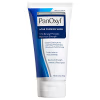
Best for face and body

If you have oily or non-sensitive skin, you can use Panoxyl’s foaming wash to tame cystic acne on both your face and body. Its formula is 10% benzoyl peroxide, the highest concentration of the acne-fighting ingredient on this list. However, such a high concentration of benzoyl peroxide can be irritating to some people, especially those with sensitive skin, so you should introduce the product gradually into your skin care routine, according to Weiss.
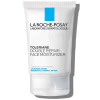
Best moisturizer

One of our favorite expert-recommended face moisturizers for acne-prone skin and rosacea, this La Roche-Posay option is both gentle enough for sensitive skin and has ingredients like niacinamide and ceramides to keep it hydrated, according to the brand. I use this moisturizer both day and night on my sensitive, acne- and rosacea-prone skin because it helps soothe my constant redness and inflammation.
Best retinoid

Products that contain adapalene — the only topical retinoid available over-the-counter — are helpful when used in conjunction with other prescription treatments, and can cure inflammation, deep clean pores and prevent new pimples from forming, says Weiss. The brand recommends applying a thin layer of Differin Gel to the affected areas of the skin after cleansing and before moisturizing.
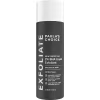
Best chemical exfoliant

This liquid, leave-on exfoliant, another one of our favorites, has 2% salicylic acid to help fight acne, unclog pores and remove dead skin. It’s also formulated with green tea to help soothe irritation, according to the brand. You can use this exfoliant up to twice daily, as long as your skin tolerates it.
Best physical exfoliant

To help prevent scars and treat her cystic acne, NBC editorial operations associate Jem Alabi focuses on cell turnover using this exfoliant. “After long days of sunscreen, blush and subway air, I reach for the Resurfacing Enzyme Polish,” says Alabi, who uses it twice a week before showering. It has niacinamide, which strengthens the skin barrier and helps it retain moisture, and panthenol, a form of vitamin B5 that moisturizes skin.
Best spot treatment

This spot treatment gel contains 10% benzoyl peroxide, and you can apply it directly on top of acne to reduce its size and redness, as well as actively fight future breakouts, says board-certified dermatologist Dr. Mona Gohara, who usually recommends this product for her patients with cystic acne. Neutrogena recommends applying a thin layer of the acne gel one to three times daily.
Best pimple patches

Sometimes, just leaving your skin alone is one of the best treatments for acne. These overnight spot patches are a great option for covering pimples to avoid picking at your skin (which can lead to scarring). These patches are made with hydrocolloid, a type of wound dressing that absorbs pus and fluids, according to the brand.
Former NBC Select editorial intern Kalohe Danbara uses these patches whenever her acne flares up. “When I’m breaking out, I’ll put these on over any spots before I go to bed and, a lot of the time, I’ll wake up with the blemishes nearly gone,” she says.
Best moisturizer for sensitive skin

“For my acne prone patients, I recommend moisturizing with a gentle, noncomedogenic moisturizer to keep their skin barrier intact,” says Weiss. This daily moisturizing lotion from expert-favorite brand CeraVe is good for sensitive skin because it’s fragrance-free and accepted by the National Eczema Association. The lotion has hyaluronic acid and ceramides to help retain the skin’s natural moisture for up to 24 hours, according to CeraVe.
How do you cure cystic acne?
You may be familiar with OTC acne treatments like benzoyl peroxide, salicylic acid and retinol (a vitamin A derivative) that can treat ordinary, run-of-the-mill pimples. However, these acne-fighting ingredients alone aren’t strong enough to cure cystic acne, our experts say.
Treating cystic acne requires a trip to the dermatologist and likely some type of medical intervention. Some of the most effective treatments include in-office cortisone injections and oral prescription medications like birth control pills, spironolactone and isotretinoin (usually known by its brand name, Accutane) to treat the underlying causes of the cysts. The most important takeaway is that cystic acne requires early intervention to prevent permanent scarring, says Weiss.
“Topically, it’s really hard to treat cystic acne. Over-the-counter products may help mitigate the inflammation and bring it down a bit. But making it go away is a lot trickier, and [OTC products] will not be effective if used alone,” says Gohara.
However, certain OTC acne treatments are beneficial when used in conjunction with more powerful prescription treatments. You should cleanse your skin with a wash that contains salicylic acid or alpha hydroxy acids (AHAs) like lactic acid at least a couple of times a week and use an oil-free moisturizer that’s gentle on the skin, says Dr. Tracy Evans, a board-certified dermatologist and medical director of Pacific Skin and Cosmetic Dermatology. Those with acne-prone skin should stick to noncomedogenic lotions, makeup and any other face products in order to not clog pores, says Weiss.
How I picked the best cystic acne treatments
While OTC products can’t cure cystic acne, they can help improve your situation, dermatologists told me. When shopping for cystic acne treatments, consider the following factors, all of which I considered while curating our list:
- Ingredients: Look for acne-fighting active ingredients like salicylic acid, benzoyl peroxide and adapalene. Since people with moderate to severe cystic acne tend to have sensitive and inflamed skin, you should also consider a gentle formula that’s free of alcohol, fragrance or abrasive scrubs to prevent irritation.
- Formulation: All of the products I recommend are noncomedogenic, meaning they’re less likely to clog pores and help prevent new breakouts from forming.
- Product type: Consider what type of OTC product fits into your skin care routine, especially when pairing them with prescription medications. Types of products that can help treat cystic acne include face cleansers, gentle moisturizers and gel spot treatments.
What causes cystic acne?
Cystic acne is a type of inflammatory acne that causes deep, painful lesions underneath the skin due to the accumulation of oil, bacteria and dead skin cells. Much like regular acne, cysts can range from mild (you might develop one or two cysts on your chin around your menstrual cycle, for example) to severe, which can affect the entire face and even the chest and upper back, says Weiss.
Hormonal changes or triggers related to puberty, menopause and pregnancy, underlying medical conditions like polycystic ovary syndrome (PCOS), stress and genetics can all cause cystic acne, according to Weiss. Certain people may also have an increased risk of developing cystic acne, including those with a family history of cystic acne and teenagers going through puberty, she says.
What active ingredients can help treat cystic acne?
There are three common active ingredients in OTC products that can help reduce inflammation caused by cystic acne: salicylic acid, benzoyl peroxide and adapalene. Though they likely won’t completely treat cystic acne on their own, these active ingredients can be helpful if you use them with in-office treatments and prescription medications. Keep in mind, however, that all of these ingredients can cause irritation, so they may not be suitable for sensitive skin, and you should introduce them gradually into your skin care routine.
Salicylic acid
Salicylic acid is a chemical exfoliant and beta hydroxy acid (BHA) that helps fight acne by targeting excess oil production, unclogging pores and removing dead skin cells, says Weiss. You can typically find 2% salicylic acid in creams, washes and lotions.
Benzoyl peroxide
Benzoyl peroxide specifically fights acne-causing bacteria to help reduce inflammation and the appearance of acne lesions, according to Weiss. You’ll often see products with very high concentrations of benzoyl peroxide (usually around 10%), but there isn’t much evidence to suggest that higher strengths are more effective at treating acne.
“There are actually some studies that show that 2.5% benzoyl peroxide and 10% benzoyl peroxide have a minimal difference in terms of their efficacy in acne treatments,” says Gohara. People with cystic acne that experience sensitivity or dryness may be able to tolerate the lower strength ingredients better, says Weiss.
Adapalene
Retinoids are more powerful acne treatments that can be effective at reducing inflammation. Topical retinoids help increase skin cell turnover and clear out clogged pores, which may be contributing to the initial cause of cystic acne, says Weiss. While prescription retinoid gels and creams are the most effective at treating cystic acne, adapalene — a topical OTC retinoid treatment — works well to regulate the turnover of cells lining the pores to reduce clogging.
Keep in mind that adapalene can be very drying, so you should introduce this ingredient gradually into your skin care routine, using a small amount and moisturizing afterward, according to Gohara. “Your skin is already irritated with the cystic acne, the last thing you want to do is stoke the fire,” she says.
Frequently asked questions
Scarring is always hard to treat, and cystic acne scars may require more intensive treatments like laser resurfacing of the skin, microneedling, hydrafacials and injectables that can break up the scar tissue using small needles, says Evans.
One of the biggest concerns with cystic acne is the potential for severe and even permanent scarring, which is why you’ll want to get on a treatment that will take care of cystic acne sooner rather than later, says Evans. “People who have very severe cystic acne can scar very quickly,” she says.
Here’s some advice from our experts on what to keep in mind — and some common misconceptions to avoid — when crafting your cystic acne skin care routine.
- Simplify your routine. Don’t go overboard with the number of active ingredients you’re introducing into your routine. “If you’re experiencing irritation or dryness, consider only using one or two active ingredients at a time or using the lowest percentage of salicylic acid or benzoyl peroxide so that it’s not too irritating,” says Weiss.
- Gradually introduce products. “I always recommend to my patients that they should be using products in a really slow and incremental way,” says Gohara. When using more irritating ingredients like benzoyl peroxide and adapalene, start with a pea-sized amount once or twice a week, and then gradually increase it to three times a week while monitoring any irritation, says Gohara.
- Avoid harsh scrubs. There’s a common misconception that you should dry out acne, so people often use too many strong, irritating products, says Evans. “This is a condition that needs to be treated from the inside out, so you have to be more gentle with your skin care,” she says. Because cystic acne can cause very sensitive, inflamed skin, you should avoid using irritating products that contain alcohol or abrasive scrubs with small beads, which can cause microtears on the skin and lead to a damaged skin barrier , experts say.
Meet our dermatology experts
At NBC Select, we work with experts who have specialized knowledge and authority based on relevant training and/or experience. We also take steps to ensure that all expert advice and recommendations are made independently and with no undisclosed financial conflicts of interest.
- Dr. Emma Weiss is a board-certified dermatologist and assistant professor of dermatology at the University of Colorado Anschutz Medical Campus.
- Dr. Tracy Evans is a board-certified dermatologist and medical director of Pacific Skin and Cosmetic Dermatology.
- Dr. Mona Gohara is board-certified dermatologist at Dermatology Physicians of Connecticut.
- Dr. Eileen Deignan is a board-certified dermatologist and chief of dermatology at Emerson Hospital.
Why trust NBC Select?
I’m an updates editor at NBC Select who has covered a wide range of skin care topics, including face sunscreens, rosacea and keratosis pilaris treatments. For this article, I spoke to four dermatologists about how to treat cystic acne and highlighted their recommendations for the best over-the-counter products to consider.
Catch up on NBC Select’s in-depth coverage of tech and tools, wellness and more, and follow us on Facebook, Instagram, Twitter and TikTok to stay up to date.



