Chef notes
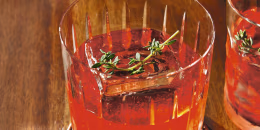
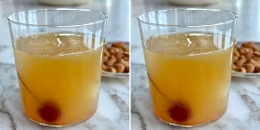
In cocktails, wildflower honey adds earthy sweetness and carries the soul of the bees along with the gentle touch of those who cared for them. The taste of wildflower honey is complex, floral and ever-changing, shaped by season, soil and the tireless work of bees. These remarkable creatures sustain ecosystems through their pollination. Their intelligence, so often overlooked, was championed by Charles Henry Turner, a visionary Black entomologist born in Cincinnati in 1867 and the first African American to earn a Ph.D. in zoology from the University of Chicago. His research with bees, sugar water and color paper proved that bees could see color, recognize patterns and learn behaviorally, reshaping scientific understanding of insect cognition. Turner's brilliance mirrors the legacy of Black beekeepers who drew on West African traditions and tended hives for medicine, trade and freedom. Those traditions continue today in the hands of Black apiarists building hives, communities and legacies with unique, local expressions of wildflower honey.
Featuring Koval bourbon out of Chicago, this spirit brings Midwestern grain to the glass. Made with corn and millet, Koval is lighter and more floral than traditional bourbons, with warm caramel and oak notes.
Naturally rich in malic acid, cider delivers a crisp, mouthwatering tartness that heightens freshness and sharpens sweetness. Unlike apple juice, cider carries lightly astringent tannins, acidity, depth, and terroir from both apple skins and seeds.
Orange bitters add brightness through citrus oils and subtle baking spices. This type of bitters brings everything into balance here but try experimenting. You could use other bitters like black walnut, aromatic (such as Angostura), or cardamom bitters.

Just a moment.
We are getting your experience ready.
This recipe originally appeared on today.com