%3B%0A%20%20%20%20%20%20%7D%0A%20%20%20%20%20%20.cls-2%20%7B%0A%20%20%20%20%20%20%20%20fill%3A%20%23b3b4b8%3B%0A%20%20%20%20%20%20%7D%0A%20%20%20%20%3C%2Fstyle%3E%0A%20%20%20%20%3ClinearGradient%20id%3D%22linear-gradient%22%20x1%3D%220%22%20y1%3D%220%22%20x2%3D%22179.72%22%20y2%3D%22179.72%22%20gradientUnits%3D%22userSpaceOnUse%22%3E%0A%20%20%20%20%20%20%3Cstop%20offset%3D%220%22%20stop-color%3D%22%23e7e8e8%22%2F%3E%0A%20%20%20%20%20%20%3Cstop%20offset%3D%221%22%20stop-color%3D%22%23caccce%22%2F%3E%0A%20%20%20%20%3C%2FlinearGradient%3E%0A%20%20%3C%2Fdefs%3E%0A%20%20%3Cg%20id%3D%22Layer_1-2%22%20data-name%3D%22Layer%201%22%3E%0A%20%20%20%20%3Cg%3E%0A%20%20%20%20%20%20%3Crect%20class%3D%22cls-1%22%20width%3D%22179.72%22%20height%3D%22179.72%22%2F%3E%0A%20%20%20%20%20%20%3Cg%3E%0A%20%20%20%20%20%20%20%20%3Ccircle%20class%3D%22cls-2%22%20cx%3D%2289.86%22%20cy%3D%2267.3%22%20r%3D%2240.89%22%20transform%3D%22translate(-21.27%2083.25)%20rotate(-45)%22%2F%3E%0A%20%20%20%20%20%20%20%20%3Cpath%20class%3D%22cls-2%22%20d%3D%22m151.41%2C161.24c0-24.45-17.31-45.04-40.28-50.14-6.42%2C3.16-13.64%2C4.94-21.27%2C4.94s-14.85-1.78-21.27-4.94c-22.97%2C5.1-40.28%2C25.69-40.28%2C50.14v14.2c0%2C1.44.06%2C2.87.18%2C4.29h122.74c.12-1.41.18-2.84.18-4.29v-14.2Z%22%2F%3E%0A%20%20%20%20%20%20%3C%2Fg%3E%0A%20%20%20%20%3C%2Fg%3E%0A%20%20%3C%2Fg%3E%0A%3C%2Fsvg%3E)
It started out as a simple itch on the lower back of my head and ended with a scratch that kept me up at night. Thinking the annoying red patch that had formed in that area was dry skin, I started treating it with dabs of petroleum jelly. But the itch didn’t stop until months later when my dermatologist prescribed an anti-inflammatory cream for what turned out to be seborrheic dermatitis, an extremely common skin irritation that can be caused by anything from an allergic reaction to a change in season. She shared I could have found earlier relief with some over-the-counter medications and remedies.
Seborrheic dermatitis isn’t the only skin condition that can cause an itchy scalp. Other things that may cause irritation include psoriasis, folliculitis or contact dermatitis, which occurs when your scalp comes in direct contact with something you’re allergic to. Whatever is causing the urge to scratch, chances are you’re dealing with skin that’s red and irritated. The first thing you should do? “Stop scratching, which can lead to an increase in itching and flaking,” says Dr. Jeanine Downie, a board-certified dermatologist. From there, you can try out an OTC treatment.
Selected.
Show 2 More

Show Less
How I picked the best treatments for itchy scalps
When shopping for itchy scalp treatments, the experts I spoke to recommend keeping not only your scalp in mind, but your hair needs as well. Below are the key factors to keep in mind:
- Hair type: When recommending products to her own patients, Downie emphasizes the importance of considering hair type. “I look at hair type — curly, straight, wavy, dry, oily and take all of this into consideration when recommending different products for itchy scalp,” she says.
- Hair needs: When choosing an itchy scalp treatment, choose one that’s also compatible with your hair’s needs and routine, like hydration level and sensitivities. “Look for products that can balance the itchiness of the scalp with the need for moisturizer in your hair,” says Downie.
- Ingredients: Look for key active ingredients that’ll soothe your scalp and prevent irritation. A few common ones include ketoconazole (an anti-fungal medication often used to treat seborrheic dermatitis), selenium sulfide (removes dry, scaly patches on the scalp), pyrithione zinc (an anti-fungal that reduces dandruff and psoriasis symptoms), sulfur (antibacterial) and salicylic acid (reduces excess oil and removes dead skin cells).
Want more from NBC Select? Sign up for our newsletter, The Selection, and shop smarter.
The best treatments for itchy scalps
To help you navigate your search for OTC products, I asked experts for insight on products that can help with an itchy scalp, along with recommendations from editors and top-rated options from reputable retailers.
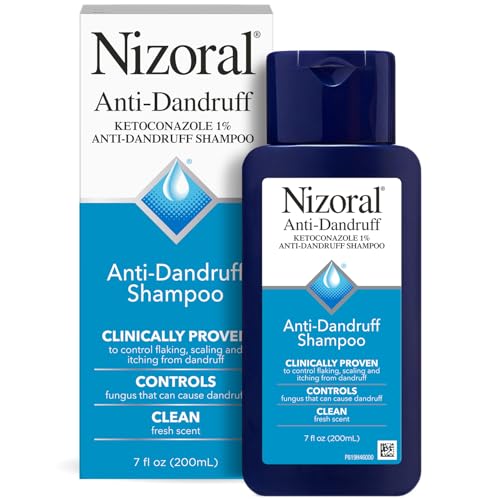
Best dandruff shampoo
“This is an over-the-counter version of a prescription medicated anti-fungal shampoo and an effective treatment for many types of scalp irritations,” says board-certified dermatologist Dr. Alexis Young. “It contains ketoconazole, which controls flaking and itchy scaling by preventing the growth of fungus.” You should use this shampoo twice a week in place of your normal shampoo, according to the brand. “I usually recommend leaving medicated shampoos like this one on the scalp for five to ten minutes to allow them enough time to work,” says Young.
This scalp scrub has papaya enzymes and pink salt to gently exfoliate your scalp and remove product buildup. “This scrub is one of my favorite hair care products ever. It helps keep my scalp flake- and product-free, and it leaves my hair looking smooth and shiny every time I use it,” says NBC Select updates editor Mili Godio. The brand recommends using it in place of your shampoo once a week.
Best shampoo for build-up
This shampoo is another favorite of Young. It has 3% salicylic acid, which can help ease itchiness caused by psoriasis, seborrheic dermatitis and dandruff, according to the brand. It’s also free of fragrance, added color and preservatives, making it a nice option for sensitive skin. NBC Select’s editorial director, Lauren Swanson, has used this shampoo previously to help with a dry, itchy scalp.
Most soothing
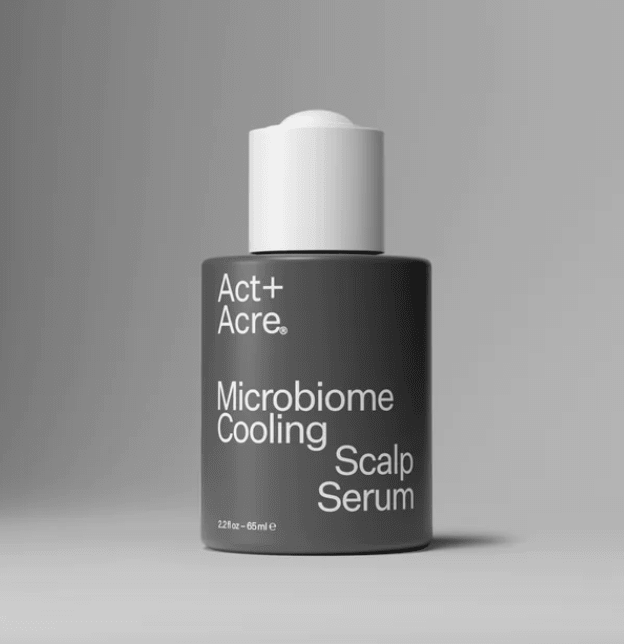
Young says she sees a lot of folliculitis in the warmer months because it can cause a rise in sebum, an oil-like substance that can clog pores and cause bacteria to proliferate. This serum has prebiotics to feed good bacteria, which helps reduce scalp itching and flaking by optimizing the environment on your scalp, says Young. It also has peppermint oil that cools the scalp to reduce inflammation and discomfort, according to the brand.
Best for sensitive scalps
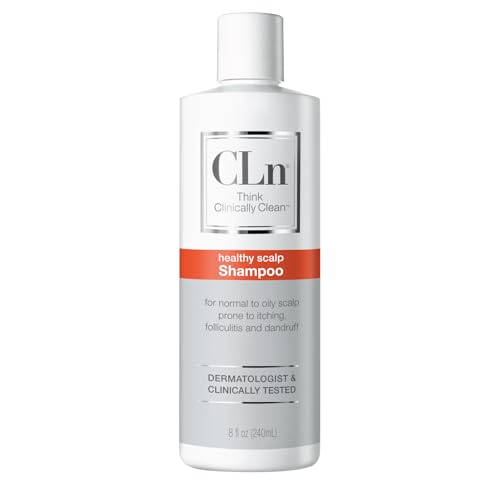
This fragrance-free shampoo, designed by a physician suffering from scalp issues, has sodium hypochlorite and salicylic acid to soothe a scalp that’s prone to itching, dandruff or excessive oils, according to the brand. “Sodium hypochlorite is the technical name for bleach,” said Young. “Although it sounds like it would be irritating to the skin, it’s very gentle and an excellent antimicrobial topical for the skin.”
Best hydrating serum
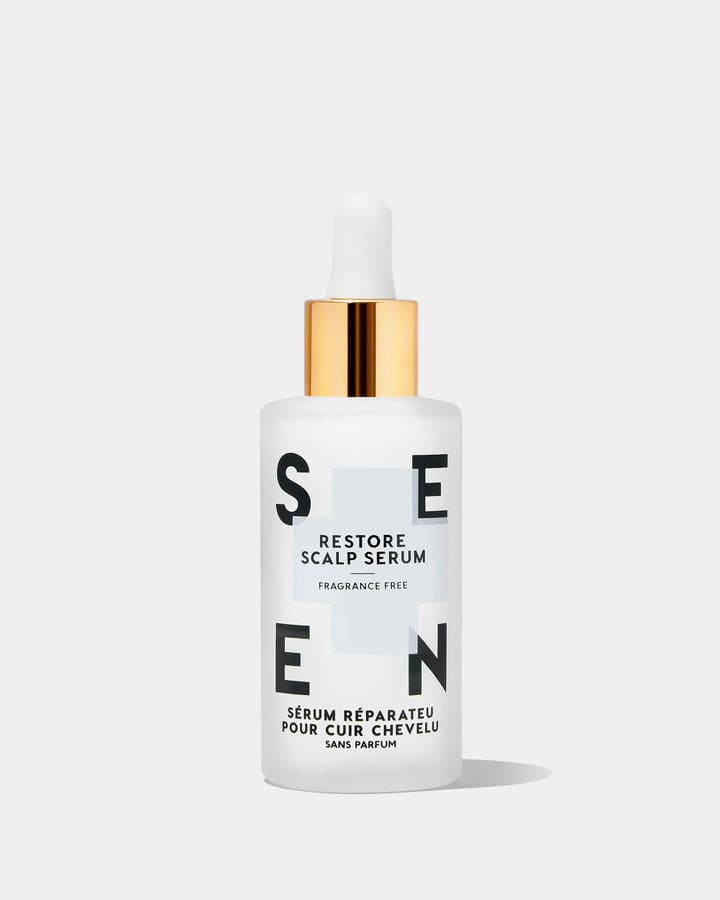
This serum is designed to hydrate your scalp, allowing for relief from dryness, flakiness and irritation, says the brand. It’s fast-absorbing, and contains naturally moisturizing and soothing ingredients, like squalane and bisabolol. It also has a Seal of Acceptance by the National Eczema Association (meaning that it’s free from any common eczema irritants).
Best detox oil
You can use this Act + Acre detox treatment as a pre-wash oil and leave it on your scalp for 20 minutes before rinsing it out, according to the brand. It has baobab and sunflower oils to break down excess sweat, sebum and build-up, which in turn reduces itchiness and dryness, experts say. It’s also highly rated, with a 4.9-star average rating from over 500 reviews at Sephora.
Best for scalp conditions
According to our experts, shampoo made with coal tar may help with scalp conditions like psoriasis, which causes an itchy, scaly rash. “Coal tar smells terrible but is an anti-inflammatory that works well to relieve the itch and scaly patches associated with conditions like psoriasis,” says Young. “Let this fragrance, PABA and dye-free product sit on your scalp for five minutes before rinsing.”
Best dry shampoo
If you need to sop up some excess oil and sweat post exercising, this dry shampoo will do that without clogging the pores and causing itchiness. It has an ultra-fine micro starch sourced from rice and rambutan seed extract, according to the brand. Apply, then wait thirty seconds before massaging it into the scalp. “I exercise every day and this is one of the best dry shampoos on the market when it comes to maintaining a healthy scalp,” says Downie.
Best sunscreen mist
It’s important to protect an irritated scalp from ultraviolet rays by using sunscreen in that often overlooked area, according to Young. “In general, I’m not a fan of spray sunscreens but they do play a huge role when it comes to scalp protection because it’s difficult to apply a cream to that area,” says Young. “Just make sure to apply a thick enough coating and reapply every two hours in the sun or after going in the water.”
Best clarifying shampoo
Overuse of styling products or leave-in formulas that don’t get fully washed out can lead to buildup that blocks the pores on the scalp, causing itching. This Paul Mitchell shampoo cleanses and breaks up that buildup, according to the brand. Use this shampoo once to twice a week according to the brand.
Best for styling
Developed by a dermatologist, this non-irritating, fragrance-free styling cream is considered a good option for those with sensitive skin, according to the brand. It has hemisqualane, a plant-based, sugar-derived alternative to silicone along with bisabolol, a natural skin soother. “It’s noncomedogenic, which means it won’t clog the pores on your head,” says Young. This is a favorite of Swanson’s, who says she loves how it treats her scalp while making her hair look fabulous.
Best for at-home hair coloring
“Some of the chemicals used in hair dye can result in an itchy rash called allergic or irritant contact dermatitis — either from a product allergy or from being left on the scalp too long, causing a breakdown of the skin’s barrier,” says Young. “In order to prevent irritation, you or your colorist should avoid contact with the skin, applying the dye to the hair shaft only.” This permanent hair dye formula is free of ammonia, silicones, parabens and phthalates — all of which are common irritants, experts say.
Best styling tool
“High heat can mess with your scalp’s health, increasing skin swelling and tenderness, which can lead to itching, flaking, red patches and hair loss,” says Downie. “Try to keep your dryer set to low heat and avoid keeping it on one spot too long.” This dryer controls heat using a thermal sensor to regulate the air temperature, preventing damage to the skin and hair, according to the brand. Dyson also says that it has an attachment that’s engineered to diffuse airflow and lower the temperature by up to 20 degrees.
Frequently asked questions
What causes an itchy scalp?
An itchy scalp can be caused by a number of things. My experts point to four conditions that are most commonly associated with an itchy scalp:
- Seborrheic dermatitis is a common skin condition caused by the overgrowth of yeast, says Downie.
- Psoriasis is an inflammatory skin condition. The exact cause is unknown, but it is thought to be an immune system issue triggered by things like stress and infections.
- Folliculitis is a condition that occurs when hair follicles get infected.
- Contact dermatitis occurs when your scalp comes in direct contact with something you’re allergic to.
What active ingredients can help with an itchy scalp?
If you’ve decided to use an OTC treatment or product to try and help with scalp itch, there are a few different ingredients to look for. Downie says that these tend to be the most effective OTC ingredients to alleviate an itchy scalp:
- Ketoconazole is an anti-fungal medication often used to treat seborrheic dermatitis, says Downie.
- Selenium sulfide can remove dry, scaly patches on the scalp and help ease the urge to itch. Many dandruff products utilize this ingredient.
- Pyrithione zinc is another commonly used ingredient in dandruff products, but it can also help with psoriasis. It has anti-fungal properties.
- Coal tar is used to treat both psoriasis and seborrheic dermatitis. It is derived from coal and is a thick, dark liquid that can be applied topically as a treatment.
- Sulfur has antibacterial benefits which can keep your scalp clean and fresh. You will often find this ingredient in dandruff treatments.
- Salicylic acid is a beta hydroxy acid that targets excessive oil production and removes dead skin cells. This ingredient can be particularly helpful if you have scalp buildup causing you to itch, says Downie.
If you are using an OTC product for scalp itch and things don’t get better within a few weeks, you should see a dermatologist who may prescribe a topical anti-inflammatory steroid, says Downie.
What lifestyle changes can help treat an itchy scalp?
Beyond OTC products, a diet rich in protein and soy is important to promoting a healthy scalp and hair, says Young.
Your hair-washing routine can also impact an itchy scalp. “Patients will proudly share they’re only washing their hair once a week to prevent their scalp from getting drier but the truth is there are many scalp conditions that fare better with more frequent washing, like seborrheic dermatitis, where the culprit is a yeast thriving in oil and sebum on the scalp,” says Young. If you find that your itchiness is getting worse when you go longer between washes, it could be a sign you need to shampoo more often, she says.
Meet our experts
At NBC Select, we work with experts who have specialized knowledge and authority based on relevant training and/or experience. We also take steps to ensure all expert advice and recommendations are made independently and without undisclosed financial conflicts of interest.
- Dr. Alexis Young is a board-certified dermatologist and an assistant clinical professor of dermatology at Columbia University Medical Center in New York City
- Dr. Jeanine Downie is a board-certified dermatologist and director of Image Dermatology PC in Montclair, New Jersey
Why trust NBC Select?
I’ve been a contributor at Today.com since 2015. I also write for Brides, Business Insider, HGTV, MyDomaine and Women’s Health, among others. For this story, I spoke with dermatologists and hair experts on the best products and advice for itchy scalps.
More skin care essentials
- Should you trim your cuticles? Here’s what nail experts recommend
- The best epilators for smooth, hairless skin, according to experts
- The best scar creams and treatments, according to dermatologists
- Beef tallow as moisturizer? I asked derms if this trend is genius or gross
- All the glow, none of the grease — the best hyaluronic acid products, according to experts
Catch up on NBC Select’s in-depth coverage of personal finance, tech and tools, wellness and more, and follow us on Facebook, Instagram, Twitter and TikTok to stay up to date.
